


By Eric Strong and Hubert Lobo.
Presented by Adam Beckwith and Brian Croop at the European LS-DYNA Conference 2017.
Strengthening the materials core of manufacturing enterprises

Materials in simulation
Materials insight
We describe a new software component that takes into consideration the unique multi-variate nature of LS-DYNA material models. Rate-dependent models require adjustment and tuning of many material parameters to fit the rate-dependent tensile properties. Drawing upon a robust back-end data model, a graphical user interface provides drag and drop capability to allow the user to perform tasks such as model extrapolation beyond tested data, modulus change, rate dependency tuning and failure criteria adjustment while assuring self-consistency of the underlying material model. Unit system conversions are also facilitated, eliminating error and ensuring that material inputs to simulation correctly reflect the intent of the CAE analyst. The utility of the Matereality CAE modelers is illustrated with examples for LS-DYNA material models MAT_019, MAT_024 and MAT_089 LCSR.
By Eric Strong and Hubert Lobo.
Presented by Adam Beckwith and Brian Croop at the European LS-DYNA Conference 2017.
About the author
 |
Matereality (www.matereality.com), offers software for material data visualization, CAE material parameter conversion, and management. The goal is to provide fast, easy-to-use services that foster in-depth understanding of purpose-specific material behavior, eliminate typical risks associated with generic data, and accelerate the pace of product development. |
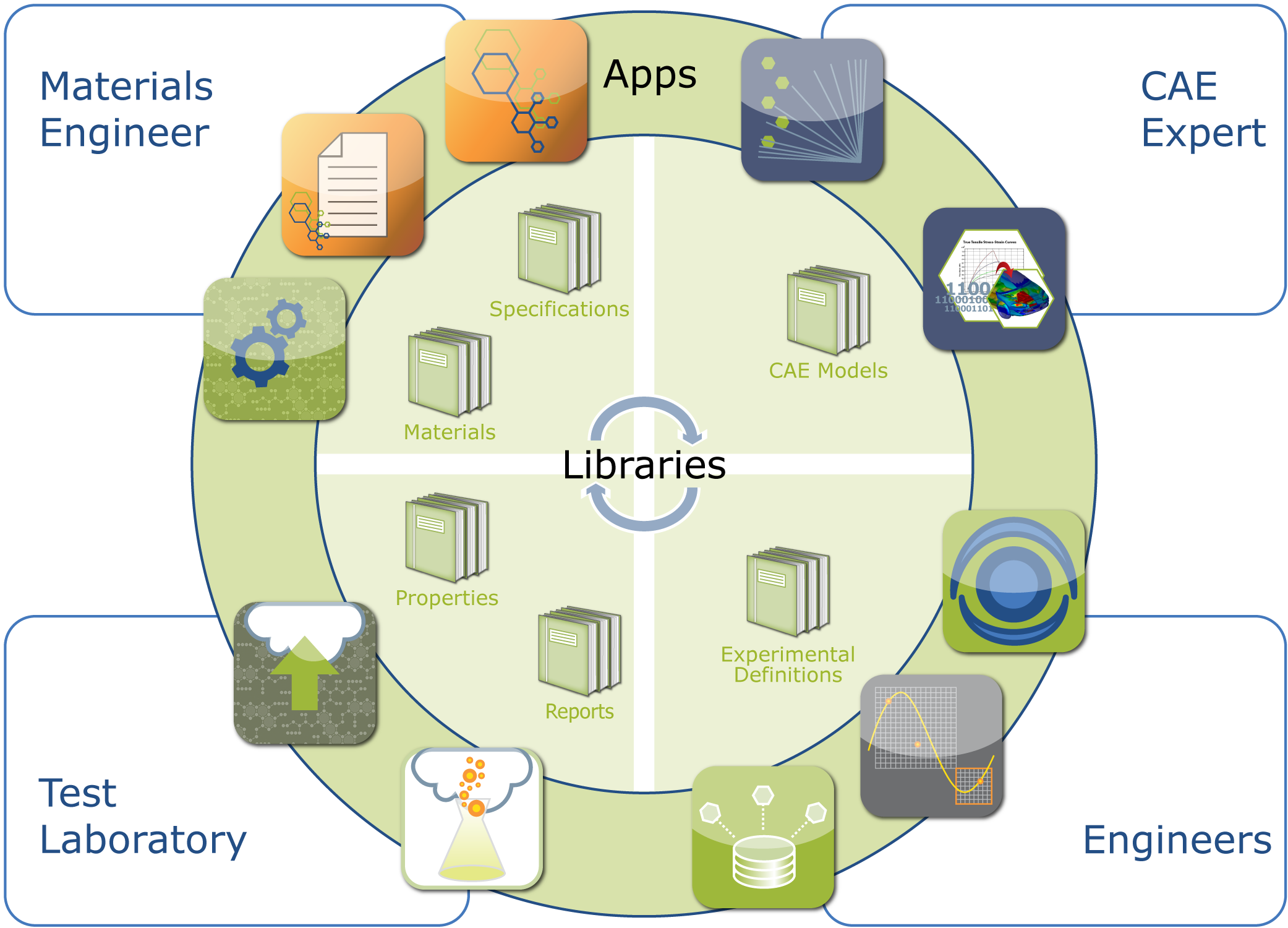
Materials information is an aspect of product data that must be accessible by engineering teams at many phases of the product lifecycle. Every aspect of this complex and highly varied data can now be carefully organized in libraries and supported by analytical tools and software modules to aid materials engineers, CAE engineers, test labs and designers in their daily tasks. When deployed across the enterprise, the Matereality software brings harmony, efficiency and control while minimizing risk.
Matereality provides material database creation software, productivity enhancing software, and customized application management solutions for groups and individuals involved in manufacturing enterprises.
Our goal is to aid in all of the steps of product lifecycle management, enhancing productivity, and eliminating potential risks from inappropriate use of material data.